As businesses continue to embrace digital transformation, cybersecurity has become one of the most critical foundations of modern technology-driven operations. Every organization today depends on digital systems, cloud platforms, online communication, and data storage solutions. While these technologies improve efficiency and productivity, they also expose businesses to increasing cyber threats. The impact of cybersecurity in the digital age goes far beyond protecting systems; it directly influences trust, reputation, business continuity, and long-term success. Companies that fail to prioritize cybersecurity risk financial losses, data breaches, and operational disruptions that can severely damage their growth.
Understanding Cybersecurity in a Digital World
Cybersecurity refers to the protection of digital systems, networks, and data from unauthorized access, attacks, and damage. In the age of digital transformation, cybersecurity has evolved into a complex and essential discipline that supports every aspect of business operations.
Modern organizations handle vast amounts of sensitive data, including customer information, financial records, and internal communications. Protecting this data is crucial to maintaining trust and ensuring smooth operations. Cybersecurity strategies involve multiple layers of protection, including firewalls, encryption, authentication systems, and continuous monitoring to prevent potential threats.
The Growing Dependence on Digital Systems
Digital transformation has led businesses to adopt cloud computing, automation, artificial intelligence, and remote work systems. While these advancements offer significant benefits, they also increase dependency on digital infrastructure.
As more business processes move online, the attack surface for cybercriminals expands. Every connected device, application, and network becomes a potential entry point for security breaches. This growing dependence makes cybersecurity an essential part of business strategy rather than just an IT concern.
Protecting Sensitive Business and Customer Data
One of the most important roles of cybersecurity is protecting sensitive information. Businesses store valuable data such as customer identities, payment details, intellectual property, and operational records. If this data is compromised, it can lead to serious financial and reputational damage.
Cybersecurity measures such as encryption, secure access controls, and regular security audits help safeguard this information. Strong data protection practices also ensure compliance with legal and regulatory requirements, which is critical for maintaining customer trust and avoiding penalties.
The Threat of Cyber Attacks
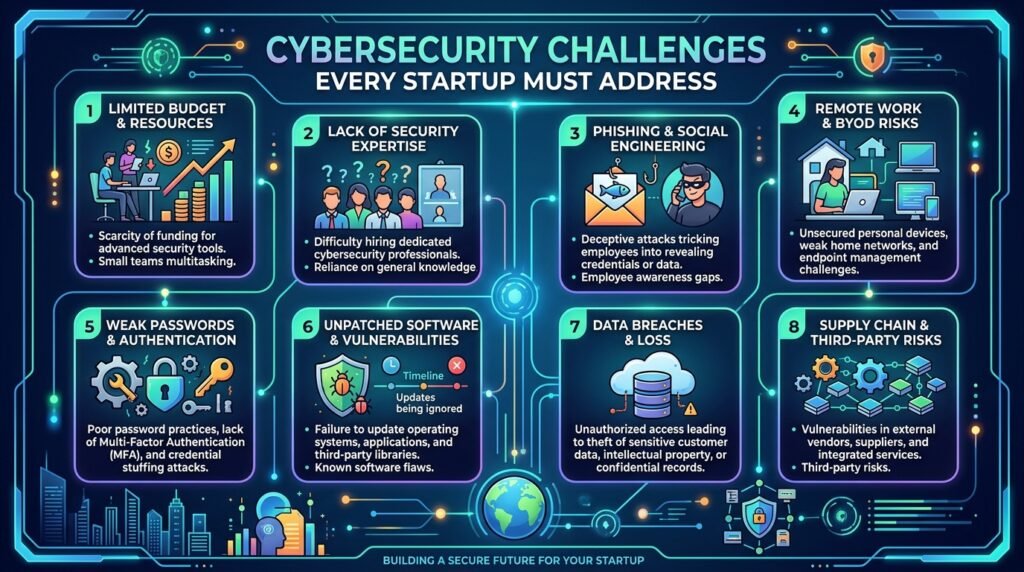
Cyber attacks have become more frequent and sophisticated in the digital era. Hackers use techniques such as phishing, ransomware, malware, and social engineering to exploit vulnerabilities in systems and networks.
These attacks can disrupt business operations, steal sensitive data, and demand financial ransom. For many organizations, especially startups and small businesses, even a single cyber attack can have devastating consequences. This makes proactive cybersecurity planning essential for minimizing risks and ensuring resilience.
Cybersecurity and Business Continuity
Business continuity refers to the ability of an organization to maintain operations during and after a disruption. Cybersecurity plays a key role in ensuring continuity by preventing system failures and minimizing downtime caused by cyber incidents.
Backup systems, disaster recovery plans, and incident response strategies are important components of cybersecurity frameworks. These measures help organizations quickly recover from attacks and continue operations with minimal disruption. Strong cybersecurity directly contributes to business stability and long-term reliability.
The Role of Employee Awareness and Training
Human error is one of the leading causes of cybersecurity breaches. Employees may unknowingly click on malicious links, use weak passwords, or share sensitive information without proper caution. This makes employee awareness a critical part of cybersecurity strategy.
Regular training programs help employees understand potential threats and adopt safe digital practices. When employees are educated about cybersecurity risks, they become the first line of defense against attacks, significantly reducing the chances of security incidents.
Cybersecurity in Cloud and Remote Work Environments
The rise of cloud computing and remote work has changed the cybersecurity landscape. While these technologies provide flexibility and efficiency, they also introduce new vulnerabilities that must be managed carefully.
Businesses must ensure that cloud platforms are properly configured and secured. Remote employees should use secure networks, multi-factor authentication, and encrypted communication tools. Protecting distributed work environments requires continuous monitoring and strong security policies.
The Economic Impact of Cybersecurity
Cybersecurity has a direct impact on the financial health of organizations. Cyber attacks can lead to data loss, operational downtime, legal penalties, and reputational damage. The cost of recovering from a security breach is often significantly higher than investing in preventive security measures.
On the positive side, strong cybersecurity enhances business credibility and customer confidence. Companies that demonstrate a commitment to protecting data are more likely to attract and retain customers in competitive markets.
Regulatory Compliance and Legal Requirements
Governments and regulatory bodies have introduced strict data protection laws to ensure the safety of digital information. Businesses must comply with regulations related to data privacy, storage, and handling practices.
Failure to comply with these regulations can result in heavy fines and legal consequences. Cybersecurity frameworks help organizations meet these requirements by implementing proper data governance and security protocols.
The Future of Cybersecurity
As technology continues to evolve, cybersecurity will also become more advanced. Artificial intelligence and machine learning are being used to detect threats in real time and respond to attacks more effectively. However, cybercriminals are also using advanced tools, making cybersecurity a constantly evolving field.
In the future, businesses will need to adopt more proactive and intelligent security systems. Continuous monitoring, automated threat detection, and adaptive security measures will become standard practices in protecting digital environments.
FAQ’s
Why is cybersecurity important in digital transformation?
Cybersecurity is important because digital transformation increases reliance on digital systems, making businesses more vulnerable to cyber threats and data breaches.
What are the most common cyber threats?
Common threats include phishing attacks, ransomware, malware, data breaches, and social engineering attacks.
How does cybersecurity protect businesses?
Cybersecurity protects businesses by securing systems, encrypting data, preventing unauthorized access, and detecting potential threats before they cause damage.
Why is employee training important in cybersecurity?
Employee training is important because human error is a major cause of security breaches, and educated employees can help prevent cyber attacks.
Can small businesses afford cybersecurity?
Yes, many affordable cybersecurity tools and solutions are available for small businesses to protect their systems and data effectively.
Conclusion
Cybersecurity is a fundamental pillar of success in the age of digital transformation. As businesses become more dependent on digital technologies, the need for strong security measures continues to grow. From protecting sensitive data and ensuring business continuity to maintaining customer trust and regulatory compliance, cybersecurity plays a critical role in every aspect of modern operations. Organizations that invest in robust cybersecurity strategies are better equipped to handle emerging threats, reduce risks, and achieve sustainable growth in an increasingly connected world.